
Recycling
Recycling is defined as returning recyclable waste materials that are no longer in use back into production processes as raw material through various recycling methods.
By contributing to recycling we both protect our natural resources and, instead of producing new material, use the recyclable waste we already have — thereby conserving our limited natural resources, saving energy, freeing up space with less waste, and contributing to our economy. We also leave usable resources for the generations that come after us.
Because the number of physical and chemical processes applied during recycling is lower than in normal production, producing material through recycling provides significant energy savings. Using the natural resources the Earth provides to us efficiently is important so that future generations do not suffer resource shortages. The more sparingly we use the Earth’s natural resources, the less the generations after us will face shortages, and future generations will also have the opportunity to benefit from natural resources.
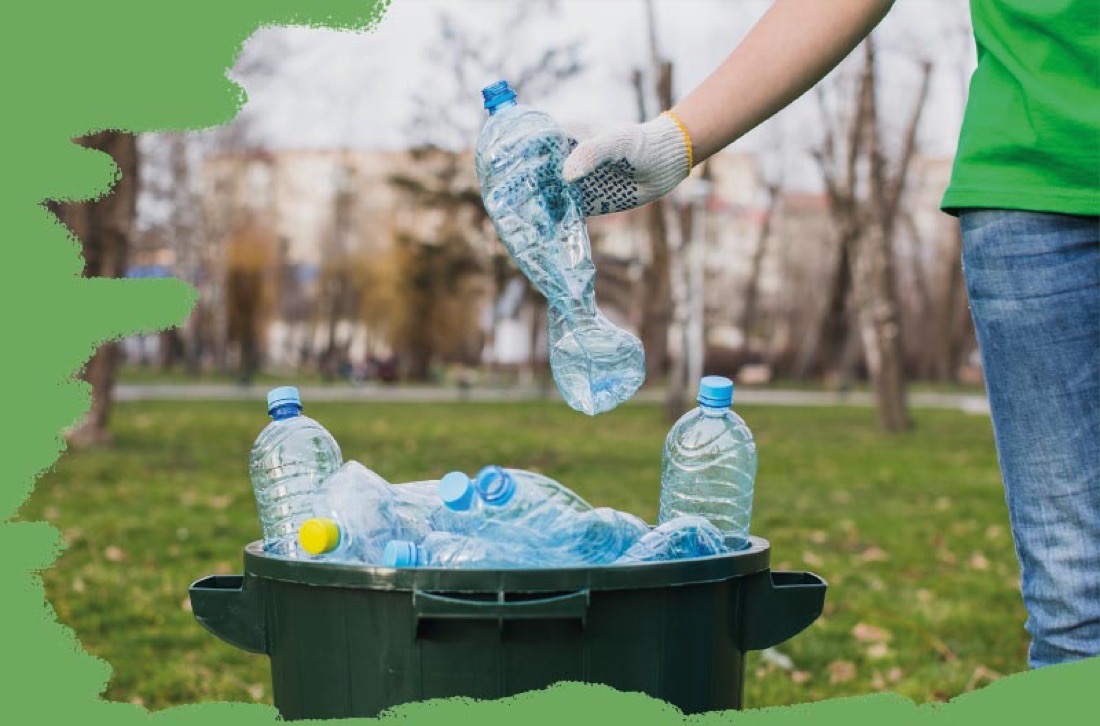
Collect
Recyclable waste is collected separately at source.
Separate
It is separated by type together with licensed companies.
Reproduce
It is returned to production processes as raw material.